
The Gym Membership of Crypto
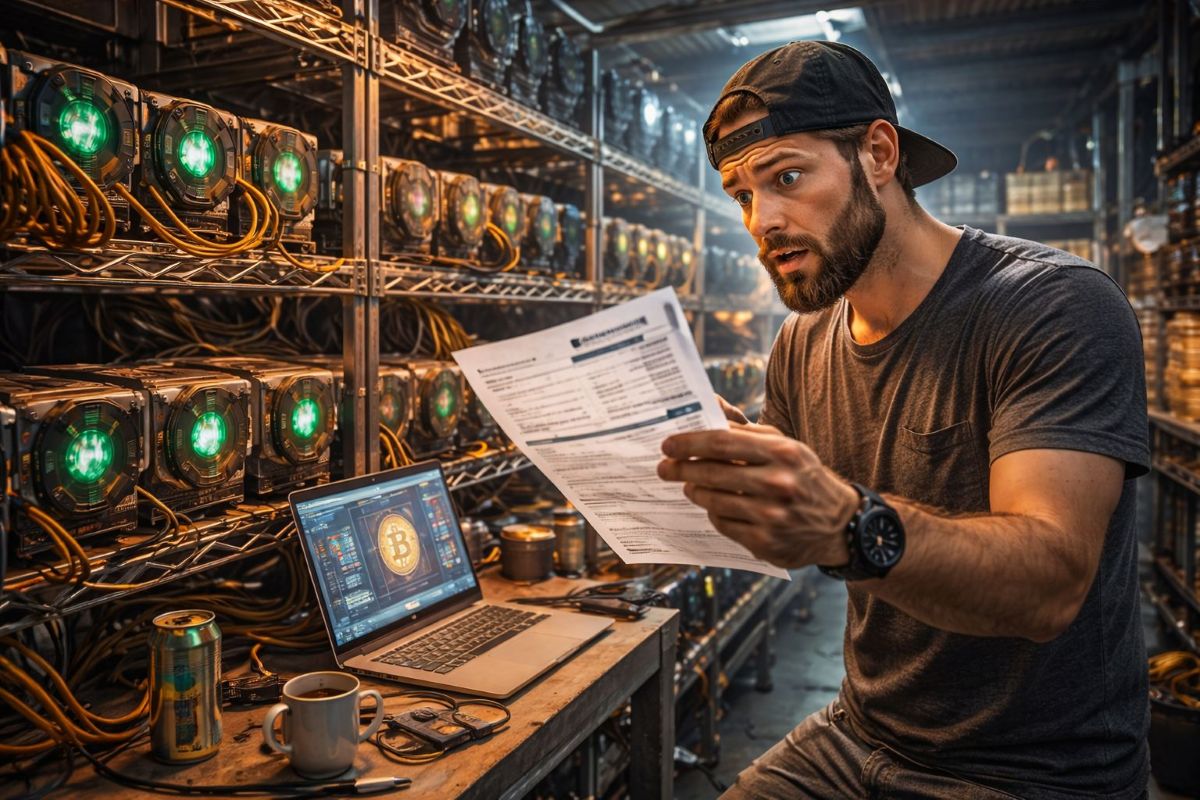
Expensive equipment, long-term commitment, and constant sweat—digital edition.
If buying crypto is like shopping online, mining is like building the factory that makes the products, assembling it yourself, and then paying the electricity bill. In today’s market, where price volatility meets rising energy costs, crypto mining feels less like a gold rush and more like a highly technical endurance sport.
Mining, at its core, is beautifully simple and brutally unforgiving. You provide computing power, secure the network, and in return receive rewards—assuming your hardware, cooling, electricity price, and timing align with the stars. In bull markets, miners look like visionaries. In sideways markets, they look like people heating their homes with very expensive machines.
Right now, the mining landscape reflects the broader crypto mood: cautious optimism mixed with calculator-based anxiety. Hashrates remain high, competition is fierce, and margins are thinner than a trader’s patience during low volatility. Large industrial mining farms operate like data centers, while smaller home miners constantly ask the same question: “Is this still profitable, or am I just paying for digital heat?”
Electricity is the real boss of mining. It doesn’t care about your long-term conviction, your belief in decentralization, or your carefully optimized firmware. It arrives monthly, in fiat, with numbers that determine whether you’re running a business or funding a very loud hobby.
Hardware cycles add another layer of drama. New ASIC models promise better efficiency, but buying them at the wrong point in the market feels like purchasing a gym membership in January—optimistic, expensive, and slightly regrettable by March. Meanwhile, older machines keep running, loyal but power-hungry, like vintage cars that only accept premium fuel.
Institutional miners have adapted by scaling up, negotiating energy contracts, and optimizing operations down to the last watt. For them, mining is no longer a passion project—it’s an industrial process with spreadsheets, logistics, and risk management. For home miners, it’s still part experiment, part ideology, and part attempt to justify a room that sounds like an airport runway.
Environmental debates continue, of course. Mining sits at the intersection of technology and energy policy, making it a favorite topic for headlines. The reality is complex: some operations use renewable energy, others repurpose excess power, and some simply follow the cheapest electricity available. As with most things in crypto, the truth is less dramatic than the arguments.
What makes mining fascinating in the current market is its time horizon. Traders think in minutes, investors in months, but miners think in years. Hardware amortization, difficulty adjustments, and block rewards force a long-term perspective. Mining doesn’t reward emotional decisions—it rewards planning, patience, and access to cheap power.
And yet, despite the spreadsheets and noise levels, there is something almost romantic about it. Mining is the physical backbone of a digital system. While charts move and narratives change, miners keep machines running, validating transactions, and securing networks. No hype, no memes—just hashing.
So where does mining stand today? Not obsolete, not easy, and definitely not quiet. It’s a competitive, capital-intensive industry that quietly keeps crypto alive while everyone else argues on social media.
In a market obsessed with price, mining is a reminder that behind every transaction is a machine, a power source, and someone hoping the next block reward was worth the electricity. It’s not glamorous—but neither is going to the gym. And yet, both are essential if you want long-term results.
Related Articles
More stories you may want to explore.

Sponsored Placements











