
Crypto Regulation Tightens Across the U.S. and Europe
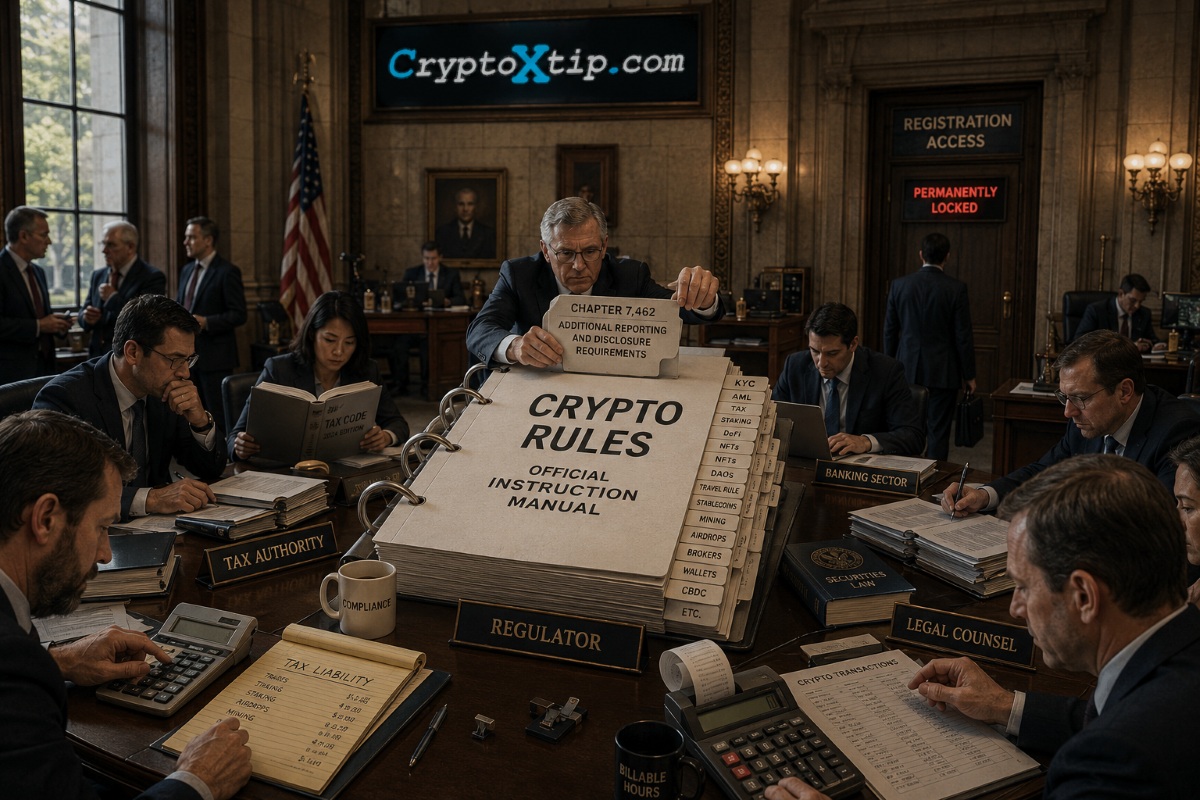
New stablecoin compliance proposals, a permanent ban for Celsius founder Alex Mashinsky, and Greece’s planned crypto tax highlight a global regulatory shift.
The cryptocurrency industry is once again confronting a familiar reality: regulation is no longer an abstract future discussion. Across both sides of the Atlantic, policymakers are moving from broad frameworks toward increasingly specific rules governing how digital assets are issued, traded, taxed, and supervised.
Recent developments in the United States and Europe illustrate how quickly the regulatory landscape continues to evolve. American authorities are exploring stricter identity verification requirements for stablecoin users, Celsius founder Alex Mashinsky has received a permanent registration ban from the Commodity Futures Trading Commission (CFTC), and Greece is preparing legislation that would introduce a 15% capital gains tax on cryptocurrency profits.
Viewed individually, these stories address different corners of the crypto ecosystem. Taken together, they reveal a larger trend: regulators are increasingly treating digital assets less as a niche technological experiment and more as a permanent part of the financial system.
That shift carries significant implications for exchanges, stablecoin issuers, investors, and everyday users.
Stablecoins Face Growing Compliance Expectations
Stablecoins have become one of the most important pillars of the digital asset market. Designed to maintain a stable value, typically linked to the U.S. dollar, they facilitate trading, payments, settlement, and liquidity across the crypto ecosystem.
Their growing importance has also attracted greater regulatory scrutiny.
U.S. policymakers have increasingly emphasized the need for stronger oversight of stablecoin activity, particularly regarding anti-money laundering controls and customer identification requirements. Recent proposals and discussions suggest authorities may seek identification standards that resemble those already applied within traditional banking institutions.
The logic behind such proposals is relatively straightforward. Regulators argue that stablecoins are increasingly performing functions similar to conventional financial products and therefore should meet comparable compliance obligations.
Supporters believe stronger Know Your Customer (KYC) and Anti-Money Laundering (AML) standards could reduce illicit activity, improve consumer protection, and encourage broader institutional adoption.
Critics see a different risk.
Many privacy advocates argue that applying bank-style identification requirements too aggressively could undermine some of the efficiencies and accessibility that helped make stablecoins successful in the first place. They warn that excessive compliance burdens may push innovation toward less regulated jurisdictions or encourage users to seek alternative financial tools.
The debate highlights one of crypto's enduring tensions. Governments want transparency and accountability. Users often prioritize efficiency, accessibility, and privacy. Stablecoins increasingly sit at the intersection of those competing priorities.
The Celsius Aftermath Continues
While regulators focus on future rules, they are also continuing to pursue accountability for failures from the previous market cycle.
One of the most prominent examples remains Celsius Network.
The crypto lending platform collapsed during the market turmoil of 2022, leaving many customers unable to access billions of dollars worth of assets. The failure became one of the defining moments of the broader crypto credit crisis that swept through the industry.
Its founder, Alexander Mashinsky, has remained at the center of regulatory and legal proceedings ever since.
The latest development sees Mashinsky receiving a permanent ban from registration with the U.S. Commodity Futures Trading Commission. The action follows earlier legal proceedings related to fraud allegations connected to Celsius's operations and representations to customers.
For regulators, the decision sends a message that enforcement remains a critical component of crypto oversight. Policymakers have repeatedly argued that market integrity depends not only on creating new rules but also on holding individuals accountable when existing laws are violated.
The Celsius collapse continues to serve as a case study in the dangers of opacity, excessive risk-taking, and unsustainable yield promises.
During the previous bull market, many investors were willing to overlook questions about how returns were generated. When liquidity was abundant and prices were rising, risk often appeared smaller than it actually was.
The subsequent collapse offered a reminder that financial gravity remains surprisingly effective, even inside digital asset markets.
Greece Moves Toward Crypto Taxation
Regulatory attention is not limited to the United States.
In Europe, governments continue refining how cryptocurrencies fit within existing tax frameworks. Greece has emerged as the latest example, with policymakers reportedly preparing legislation that would introduce a 15% capital gains tax on profits generated from cryptocurrency investments.
Although the proposal remains subject to legislative processes and potential revisions, it reflects a broader trend visible across numerous jurisdictions.
As digital asset ownership becomes more mainstream, governments increasingly seek clarity regarding how gains should be reported and taxed.
From a fiscal perspective, the motivation is understandable. Cryptocurrency markets have matured significantly compared to their early years, and policymakers increasingly view digital assets as part of the broader investment landscape rather than a separate category operating outside conventional tax systems.
For investors, however, taxation remains one of the least glamorous aspects of crypto adoption.
Bull markets often generate excitement about profits. Tax season tends to generate more enthusiasm for accountants.
The Greek proposal mirrors developments elsewhere in Europe, where authorities continue balancing innovation goals with revenue collection and consumer protection objectives.
The Bigger Regulatory Picture
What makes these developments particularly noteworthy is their collective direction.
A few years ago, many crypto regulatory discussions focused on whether governments would regulate the industry at all. Today, the conversation has largely shifted toward how regulation should be implemented and enforced.
The distinction is important.
Most major economies now appear committed to integrating digital assets into existing financial frameworks rather than attempting outright prohibition. Stablecoin oversight, licensing requirements, disclosure standards, tax obligations, and enforcement actions are all part of that process.
For institutional investors, increased clarity is often viewed positively. Large financial firms generally prefer operating within well-defined regulatory environments, even when compliance requirements increase costs.
Retail users may have a more mixed perspective. Greater oversight can improve protections and reduce fraud risks, but it can also introduce additional reporting obligations, identity verification requirements, and restrictions on certain activities.
As noted in additional ecosystem coverage available through Article Partners one of the defining themes of the current market cycle is the gradual convergence of crypto infrastructure and traditional finance.
That convergence appears increasingly difficult to reverse.
Industry Response Remains Divided
Not everyone agrees on the best path forward.
Some industry participants argue that regulatory certainty is essential for long-term growth and mainstream adoption. They believe stronger oversight will ultimately attract more institutional capital and increase confidence among consumers.
Others worry that regulators may apply rules originally designed for traditional financial institutions without fully considering the unique characteristics of blockchain-based systems.
The challenge for policymakers will be finding a balance between innovation and risk management. Too little oversight can expose consumers to fraud and instability. Too much can discourage competition and technological development.
That balancing act is becoming one of the defining policy questions of the digital asset era.
What This Means
Recent developments in the United States and Europe demonstrate that crypto regulation is entering a more mature phase. Stablecoin users may soon face stricter identification requirements, enforcement actions against figures such as Alexander Mashinsky continue to reshape industry standards, and governments like Greece are moving to formalize cryptocurrency taxation. For investors and businesses, the message is increasingly clear: regulatory compliance is becoming a central feature of the digital asset landscape rather than an optional consideration. The future of crypto may still be decentralized, but its interaction with regulators is becoming increasingly structured.
Related Articles
More stories you may want to explore.



Sponsored Placements











