
Paper Millionaires and the Memecoin Exit Problem
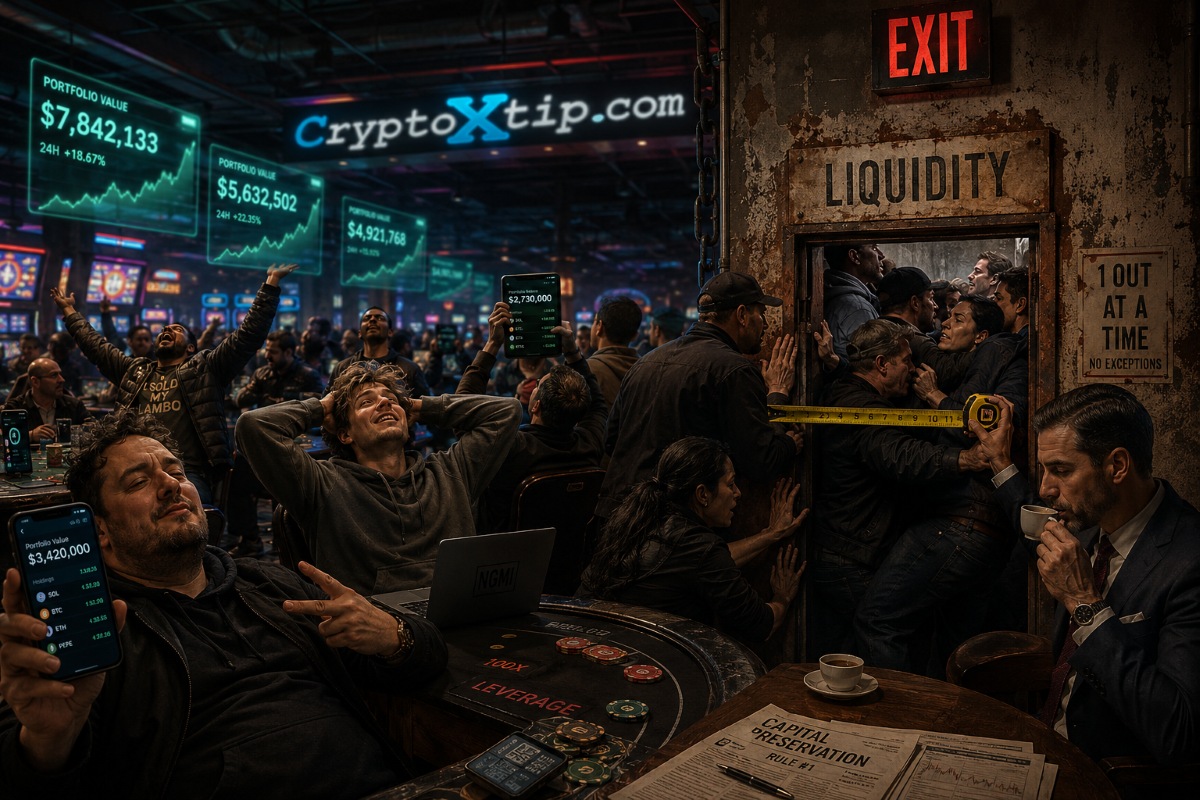
Reddit traders are once again discovering that a memecoin portfolio worth “millions” on paper can become strangely theoretical the moment someone actually tries to sell.
The memecoin market has revived one of crypto’s oldest traditions: discovering that a wallet screenshot and actual liquidity are two very different things.
Across Reddit trading forums and Solana-focused communities, traders have recently resurfaced familiar stories of “paper millionaires” — holders sitting on tokens showing enormous unrealized gains, only to realize that exiting the position would collapse the market itself.
It is one of the least glamorous realities in speculative crypto trading. The portfolio tracker says seven figures. The liquidity pool says “good luck.”
Recent Reddit discussions highlighted the issue again after users questioned how large holders in small memecoins could realistically cash out without destroying the token’s price in the process. In some cases, traders openly admitted they did not fully understand the difference between market capitalization and available liquidity until attempting to exit. The lesson tends to arrive with remarkable speed and very little mercy.
Memecoins have always operated on a strange mix of internet culture, reflexive speculation and crowd psychology. The market rewards attention first and fundamentals somewhere around never. That structure creates an environment where valuations can rise dramatically even while real executable liquidity remains dangerously thin.
Market Caps Look Bigger Than They Are
In traditional finance, investors often assume that a large valuation implies at least some degree of depth and orderly price discovery. Memecoin markets regularly break that assumption.
A token can display a fully diluted valuation in the hundreds of millions while only maintaining a relatively small liquidity pool on decentralized exchanges. In practice, that means large holders may only be able to sell fractions of their position before triggering extreme slippage.
The problem becomes especially visible during speculative frenzies. Small amounts of buying pressure can push prices vertically because circulating supply is concentrated, trading depth is thin and market participants are chasing momentum rather than evaluating utility.
The result is a market structure where wealth can appear instantly and disappear even faster. Crypto remains one of the few industries where someone can become a millionaire at breakfast and illiquid by lunch.
Academic research published this year has also started examining the fragility of memecoin ecosystems more systematically. Studies analyzing Solana memecoin activity identified high levels of ownership concentration, sentiment-driven volatility and elevated manipulation risks across speculative token launches. Researchers additionally noted that many projects exhibit shallow market structures vulnerable to rapid collapses once buying pressure fades.
Another recent paper focused on “high-risk” memecoin launches found that wash trading patterns, coordinated wallet behavior and artificial activity remain common features across speculative token ecosystems. The findings reinforced concerns that some apparent market demand may be partially synthetic rather than organic.
The Liquidity Illusion
The memecoin boom of the past two years dramatically lowered the barriers for launching tokens. Platforms such as Pump.fun turned token creation into something closer to social media posting than traditional fundraising.
That accessibility fueled a flood of speculative assets competing for attention. It also created conditions where liquidity itself became performative.
In many cases, early valuations rely on tiny amounts of capital moving through highly concentrated pools. A handful of buys can create eye-catching screenshots that spread rapidly across X, Telegram and Reddit. Once the screenshots circulate, retail traders often interpret the rising valuation as proof of legitimacy.
The cycle feeds itself until somebody attempts size.
That is usually where the market discovers whether a token has actual liquidity or merely the appearance of liquidity. These are very different financial concepts, although memecoin traders occasionally treat them as interchangeable after three energy drinks and a frog-themed profile picture.
The issue is not limited to obscure projects. Several high-profile memecoin launches tied to celebrities and political figures over the past year triggered criticism after early holders extracted significant profits while later buyers absorbed steep losses.
The controversial collapse of the LIBRA token linked to Argentine President Javier Milei became one of the clearest examples. The token briefly surged into multi-billion-dollar territory before rapidly collapsing after insiders allegedly removed liquidity and sold holdings into retail demand. Blockchain researchers and analysts later pointed to concentrated ownership and aggressive extraction behavior as central risks behind the implosion.
The broader memecoin sector has experienced similar episodes repeatedly. Tokens tied to influencers, internet personalities and viral trends often rely on attention velocity more than sustainable trading depth. Once momentum slows, liquidity tends to vanish with remarkable efficiency.
Why Traders Keep Falling for It
Part of the answer is simple greed. Another part is structural misunderstanding.
Many retail participants still confuse market capitalization with realizable value. A token price multiplied by total supply can generate enormous headline numbers even if very little actual capital exists inside liquidity pools.
This distinction becomes painfully important during exits.
If a trader owns a significant percentage of circulating supply in a thin market, their theoretical valuation may never be achievable in practice. Selling even modest portions can trigger cascading declines as liquidity evaporates and other holders rush for the exits.
Ironically, memecoin culture itself often reinforces the problem. Communities celebrate screenshots of unrealized gains while treating actual profit-taking almost as betrayal. “Diamond hands” became a badge of honor partly because many holders discovered there were not many clean exits available anyway.
Social media dynamics intensify the behavior further. Attention functions as fuel for speculative pricing, which means communities are incentivized to continuously amplify bullish narratives regardless of underlying liquidity conditions.
This is one reason analysts increasingly describe memecoin trading as an attention market rather than a traditional investment market. Price action often reflects narrative intensity more than measurable fundamentals.
Even so, the sector continues attracting enormous participation because the upside stories remain seductive. Small-cap memecoins can still generate extraordinary returns for early entrants under the right conditions. The market effectively sells lottery-ticket psychology wrapped inside internet culture.
As Crypto X Tip noted in previous coverage of curated crypto projects, retail speculation rarely disappears during bullish cycles. It simply changes costumes. In one cycle it is DeFi governance tokens. In another it is AI narratives. Memecoins currently occupy the role with unusual enthusiasm and surprisingly little shame.
Liquidity Is Becoming a Bigger Topic
One noticeable shift in recent months is that traders are talking more openly about liquidity mechanics rather than focusing exclusively on price appreciation.
Discussions around locked liquidity, wallet concentration, slippage and exit depth have become more common across crypto communities. Some traders now monitor liquidity pools as closely as token charts before entering speculative positions.
That does not eliminate risk, but it reflects growing awareness that market structure matters.
Institutional participants largely remain cautious around memecoins for similar reasons. While some professional firms trade volatility opportunistically, the absence of stable liquidity and reliable valuation frameworks makes the sector difficult to treat as a conventional asset class.
Regulators are also paying closer attention to manipulative activity tied to influencer promotions and coordinated token launches. The combination of social media hype, concentrated ownership and rapid retail losses has drawn increasing scrutiny globally.
Still, memecoins continue thriving because they compress modern internet behavior into financial form. They reward virality, speed, tribal identity and speculation simultaneously. In that sense, the market may be less an anomaly and more an uncomfortable reflection of broader online culture.
And occasionally, a reminder that “market cap” is not the same thing as “money waiting politely for your sell order.”
What This Means
The latest wave of Reddit discussions around fake valuations and illiquid memecoin exits highlights a structural weakness that continues to define speculative crypto markets.
Large paper gains can become effectively unrealizable when liquidity is shallow, ownership is concentrated and market demand depends entirely on ongoing hype. As memecoin trading expands, understanding liquidity mechanics may become more important than chasing the next viral ticker.
For traders, the lesson remains brutally consistent: unrealized profits are still unrealized, and in memecoin markets the exit door is often much smaller than it first appears.
Related Articles
More stories you may want to explore.


Sponsored Placements











